Thinking about selling in Springfield and wondering which upgrades actually move the needle? You are not alone. The right projects can help you stand out without overspending, but the wrong ones can eat your budget and return very little. In this guide, you will learn which updates local buyers pay for, what to skip, and how to align improvements with your neighborhood’s price ceiling so you protect your equity. Let’s dive in.
What Springfield buyers pay for
Kitchens that are clean and updated
Buyers see the kitchen as the heart of the home. In Springfield’s mid-price neighborhoods, you get strong appeal from a clean, functional layout with durable, neutral finishes. High-impact touches include cabinet refacing or new hardware, quartz or solid-surface counters, a modern sink and faucet, refreshed lighting, and energy-efficient stainless appliances. A full luxury gut remodel often costs more than you can recoup, so keep finishes simple and low maintenance.
Bathrooms with modern, moisture-safe finishes
Fresh, well-ventilated bathrooms signal good care. Focus on replacing worn tile or grout, upgrading vanities and counters, improving lighting and ventilation, and re-glazing or replacing older tubs and showers. Address any leaks or moisture issues first. A mid-range refresh usually outperforms a high-end design that exceeds what nearby homes offer.
Durable, neutral flooring
Floors shape first impressions. Replacing stained or dated carpet with waterproof luxury vinyl plank or engineered hardwood in main areas is a solid move. Use tile in wet spaces. These options are practical for Springfield’s seasonal humidity and day-to-day wear. Skip exotic or very high-end flooring if it pushes your home above local comparables.
Curb appeal and basic exterior care
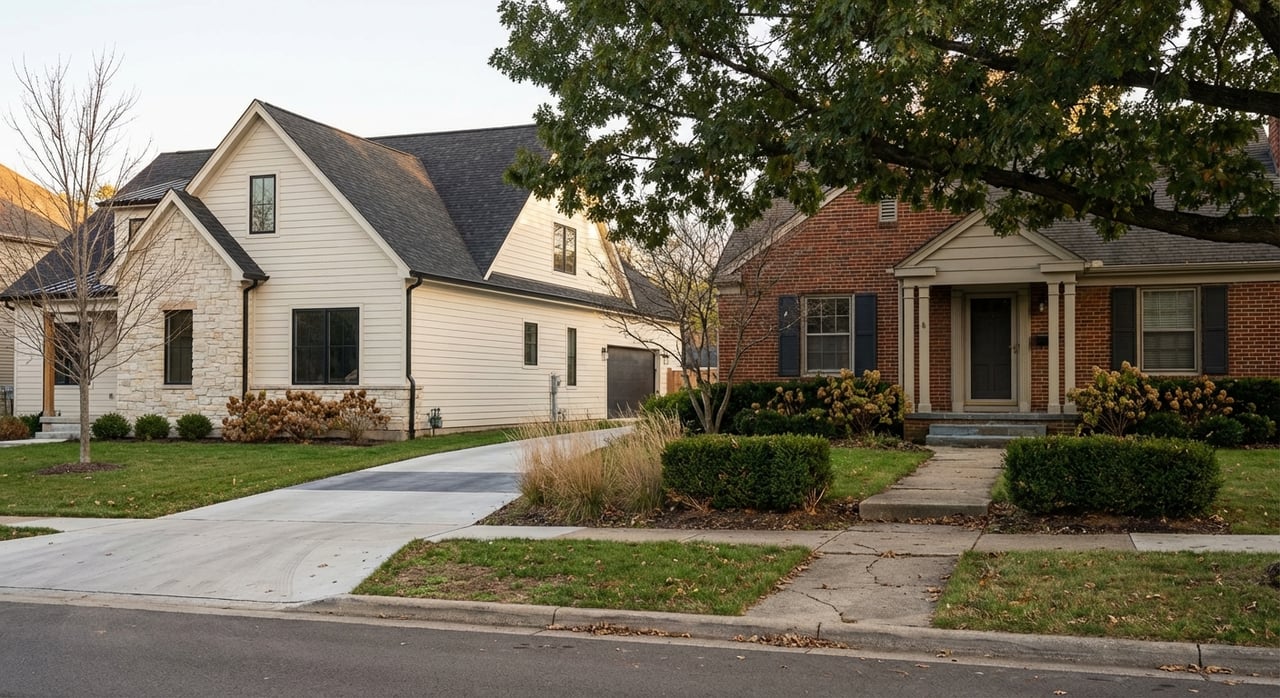
First impressions start at the street. Simple, cost-effective boosts include fresh exterior paint or siding repair, a clean modern front door, tidy landscaping with mulch, updated house numbers and lighting, and clean gutters and rooflines. A new or refinished garage door can make a big visual impact for a reasonable cost.
Outdoor living that extends use
Usable outdoor space is popular in many Springfield neighborhoods. Think functional decks or patios, a screened porch for summer comfort, and simple fire pits. Keep grading and lawn care tidy to show clear entertaining zones. Elaborate outdoor kitchens usually do not return their full cost in mid-market areas.
Systems, structure, safety, and efficiency
Items that show up on inspections can make or break your sale. Prioritize roof issues, HVAC repair or replacement, electrical updates to current code, foundation or drainage fixes, and water heater upgrades. Energy efficiency improvements like insulation, windows, and smart thermostats are attractive when cost-effective. Fix problems at the source rather than covering them with cosmetic updates.
Projects to skip or rethink
- Over-personalized features like bold themed rooms or unusual finishes that reduce your buyer pool.
- Luxury upgrades that eclipse neighborhood norms, such as chef-level kitchens in mid-market areas.
- Pools in areas where they are uncommon, due to maintenance and a smaller buyer audience.
- Converting key spaces, like removing a garage or adding heavy built-ins that limit flexibility.
- Cosmetic coverups that mask leaks or moisture. Inspections will reveal root issues.
Match updates to your neighborhood ceiling
Find the ceiling before you spend
Look at recent sold comparables from the past 3 to 6 months in your immediate area. Note price per square foot ranges, the highest sales and how often they occur, days on market, and active versus sold inventory. The ceiling is what buyers typically pay for similar homes nearby. Spending beyond that level often produces poor returns.
Estimate your after-repair value
Compare homes with updates similar to what you plan. Your after-repair value is the price those updated homes achieved. Expected uplift is the difference between that ARV and your home’s current market value. If the renovation cost is greater than the expected uplift, reconsider or adjust the scope.
Prioritize for impact and risk
- Priority 1: Curb appeal, interior paint, key flooring replacements, deep cleaning and decluttering, minor kitchen refreshes, and any repairs that would trigger inspection flags.
- Priority 2: Bathroom updates, modest kitchen improvements, deck or patio work, and HVAC servicing or replacement if aging.
- Priority 3: Full gut remodels, additions, or pools. Only pursue if comps support them and ARV covers costs and time.
Timing, costs, and expectations
Expect quick cosmetic and staging work to take a few weeks. Mid-range renovations often run 4 to 12 weeks depending on scope. Major remodels can take months and increase holding costs and market risk. Think in practical buckets, not guarantees:
- Cosmetic and small projects: under about $5,000. Paint, minor landscaping, hardware, lighting, cleaning, and staging touches.
- Mid-range projects: roughly $5,000 to $30,000. Partial kitchen updates, bathroom refreshes, mid-grade LVP in main areas, deck or patio updates, and new garage doors.
- Major projects: above $30,000. Full kitchen and bath remodels, additions, new roof, or HVAC replacement.
Always request multiple local bids that detail labor, materials, and timelines, and compare to your estimated uplift.
Permits and local checks
Before you start work, verify permit needs with the City of Springfield or Greene County building departments, especially for structural, electrical, plumbing, and deck projects. Consider a pre-listing home inspection to uncover fix-or-disclose items early. For pricing and strategy, pair quick online estimates with recent local comps and professional guidance from an experienced listing agent or appraiser.
A simple pre-list plan
- Pull recent sold comps for your block or subdivision and confirm the neighborhood ceiling.
- Order or conduct a pre-list inspection to find and fix major issues first.
- Tackle quick wins: curb appeal, paint, and flooring in high-traffic areas.
- Get two to three contractor bids for mid or major work and confirm any permit needs.
- Calculate ARV versus total costs, including carrying and transaction expenses. Adjust scope if the margin is thin.
- Revisit pricing with your agent after improvements and choose the best go-to-market timing.
Ready to maximize your Springfield sale?
The best returns come from clean, neutral updates matched to your neighborhood’s ceiling, plus a clear plan for timing and costs. If you want tailored advice on which projects will pay off for your specific address, connect with Kimberlee Tennis for local comps, a market-ready plan, and an instant valuation to get started.
FAQs
What kitchen updates add value in Springfield?
- Focus on a mid-range refresh with cabinet hardware or refacing, solid-surface counters, efficient appliances, and better lighting. Skip luxury overhauls that exceed nearby comps.
Is new flooring worth it for resale?
- Yes. Replacing worn carpet with durable, neutral LVP or engineered hardwood in main areas delivers strong buyer appeal relative to cost.
Should I add a pool to boost value?
- Usually no. Pools serve a niche buyer segment and add maintenance. Consider only if many comparable homes nearby have pools and pricing supports it.
Do I need permits for kitchen, bath, or deck work?
- Many structural, electrical, plumbing, and deck projects require permits. Check with the City of Springfield or Greene County building departments before starting.
How can I tell if I am over-improving for my area?
- Compare your post-renovation estimate to the highest recent sold comps in your immediate neighborhood. If your target price is well above them, scale back the scope.