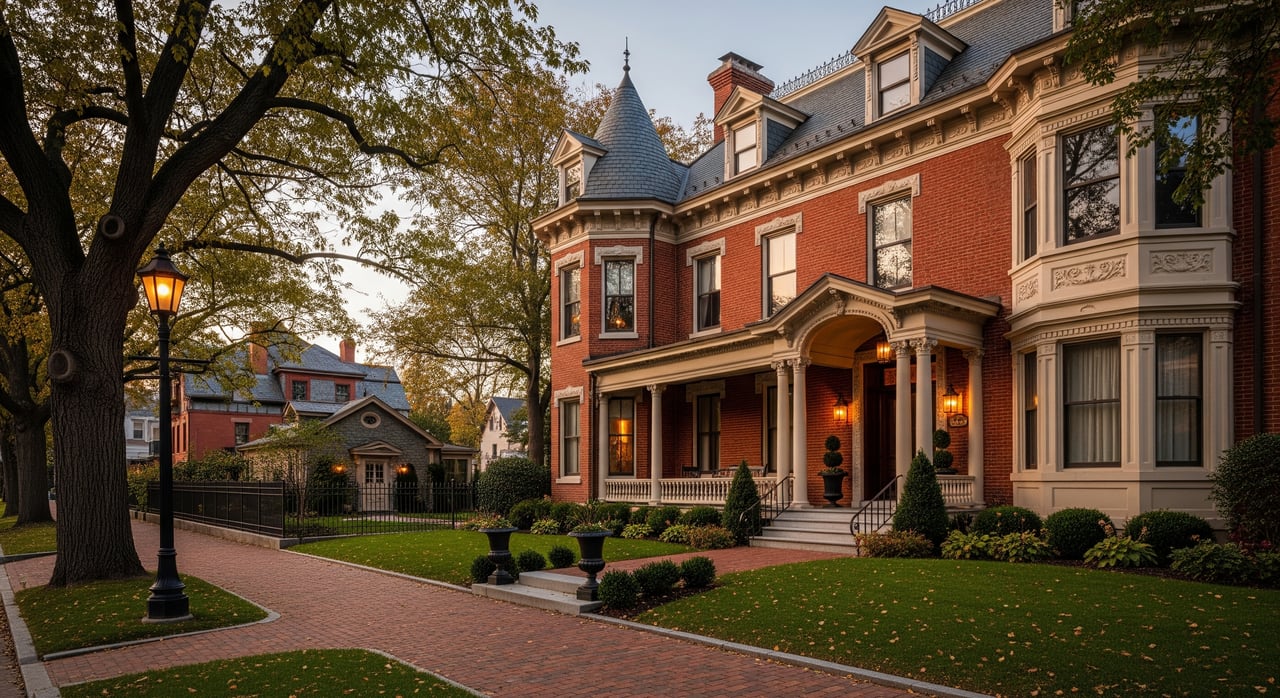
Do you picture evenings on a front porch under mature trees, steps from coffee, parks, and downtown culture? If so, Springfield’s historic districts may be calling your name. You want character and convenience without getting blindsided by rules or renovation surprises. In this guide, you’ll learn what daily life feels like, the architecture you’ll see, the trade-offs to plan for, and how to buy with confidence. Let’s dive in.
What “historic district” means here
Historic neighborhoods in Springfield fall into two broad buckets. Some areas are locally designated districts regulated by the city’s historic preservation ordinance. Others are listed on the National Register of Historic Places. Both recognize significance, but local designation usually brings the most direct review of visible exterior changes.
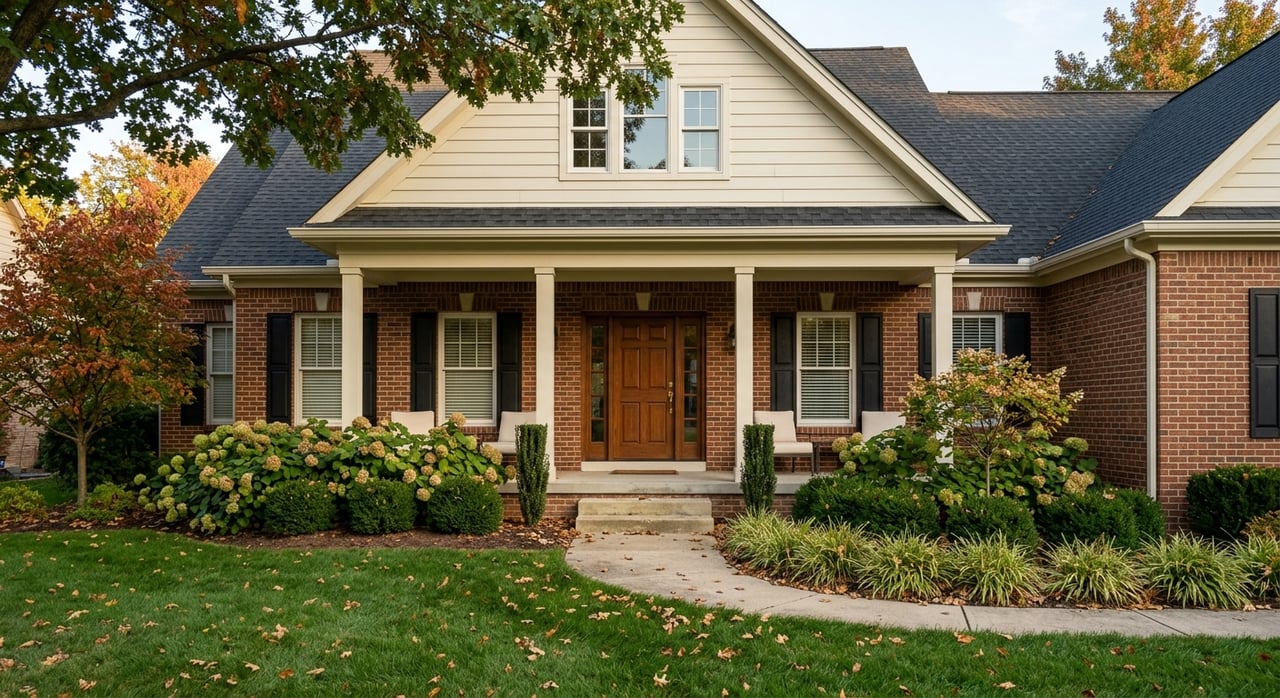
These districts cluster near downtown and in older streetcar-era neighborhoods developed from the late 1800s through the early 1900s. You’ll find tree-lined streets, sidewalks, and homes close to the curb that lean into porch life and neighborhood connection.
Architecture you will love
You will see a mix of classic American styles that showcase craftsmanship and detail:
- Craftsman and Bungalow homes with broad porches, tapered columns, and exposed rafters.
- American Foursquare with simple, boxy two-story forms and roomy interiors.
- Colonial Revival and Tudor Revival with symmetrical facades or storybook details.
- Queen Anne and Late Victorian with asymmetry, decorative trim, and occasional turrets.
Inside, many homes feature original millwork, hardwood floors, plaster walls, built-ins, and period hardware. If you value timeless materials and unique details, you’ll feel right at home.
Streetscape, lots, and parking
Lots tend to be smaller and more walkable than in newer subdivisions. Front porches face sidewalks, and mature trees add shade and character. Garages, if present, may be alley-accessed or converted carriage structures. On some blocks, off-street parking is limited, so evaluate your day-to-day needs if you have multiple vehicles or frequent guests.
Daily life and walkability
Living in a historic district often means short trips to downtown dining, coffee shops, theaters, and parks. Many residents enjoy weekend strolls to local businesses and events, and bus routes connect several neighborhoods to major corridors. Walkability varies by block, so plan a walking audit around your target address to see how the routes feel at different times of day.
Community feel and events
Expect strong neighborhood identity. Residents often organize home tours, porch festivals, cleanups, and seasonal block gatherings. More people on foot creates plenty of casual interactions and extra eyes on the street, which many homeowners appreciate for community connection.
Trade-offs to weigh
There is a real give-and-take with historic living. Proximity to downtown can bring more activity, event traffic, and occasional noise compared with suburban areas. Older homes can carry higher maintenance needs, and some exterior changes may require approval. Parking can be tight on popular blocks. If you love character and can plan for upkeep, the benefits usually outweigh the compromises.
Renovation and maintenance game plan
Older homes commonly have legacy systems. You may encounter knob-and-tube or aging wiring, galvanized plumbing, older HVAC, modest insulation, or foundation settling. Lead-based paint in pre-1978 homes and possible asbestos-containing materials are considerations during renovation. Many owners take a phased approach:
- Start with safety and systems: electrical upgrades, plumbing, HVAC, roof, and foundation.
- Improve comfort and efficiency: insulation, weatherization, and windows as appropriate.
- Restore and refine: interior finishes, built-ins, and period-appropriate details.
Budget for thorough inspections, including structural, termite or pest, radon, and evaluations for lead or asbestos. A deliberate plan helps you protect the home’s integrity while improving livability.
Rules and permits to know
In locally designated districts, visible exterior changes often require review by the city’s Historic Preservation Commission or similar body. Many owners must secure a Certificate of Appropriateness before work like additions, siding or window changes, new construction, or demolition. Interior work is typically not regulated unless there is a specific easement. National Register listing recognizes significance but usually does not add local permitting requirements by itself. Always confirm the exact process and design guidelines with Springfield’s planning and historic preservation staff for your property’s address.
Financing, insurance, and incentives
If your dream home needs updates, renovation-friendly loan products like FHA 203(k) and Fannie Mae HomeStyle can be worth exploring with a knowledgeable lender. Historic designation usually does not prevent standard financing, but lenders may request clarity on local restrictions. Insurance premiums can be higher for older homes or certain materials, so discuss replacement-cost coverage and potential surcharges with your agent.
Federal historic tax credits commonly target income-producing properties rather than owner-occupied single-family homes. Missouri and local programs may offer grants or low-interest rehab loans from time to time, and energy-efficiency rebates can be available through utility providers. Check current offerings as programs change.
Market sense and long-term value
Well-cared-for historic districts tend to hold enduring appeal. Inventory and time on market can differ from the broader metro, and prices reflect condition, renovation needs, and buyer demand for walkable living. Sellers often highlight original features and documented preservation work. If you are shopping, track listings closely and be ready to move on homes that align with your renovation capacity and timeline.
Schools, safety, and services
School assignments depend on address. Use Springfield Public Schools’ attendance tools to verify zoning for each property you consider. Safety varies by block, and historic neighborhoods can benefit from active neighbors and foot traffic. Review local crime maps and talk with residents to understand patterns. Most historic districts have standard municipal utilities. Ask about any alleys, access easements, or city maintenance plans that could affect your property.
Quick buyer checklist
Use this simple list to shop smart and stay ahead of surprises:
- Walk the block at different times to test walkability, traffic, and noise.
- Confirm whether the home is in a local historic district, National Register area, both, or neither.
- Ask the city about the Certificate of Appropriateness process for planned exterior changes.
- Order inspections: general, structural, termite or pest, sewer scope if warranted, radon, and environmental checks for lead or asbestos in older homes.
- Get rough estimates for priority systems work: electrical, plumbing, HVAC, roof, foundation, and insulation.
- Verify insurance options and replacement-cost coverage for older materials.
- Discuss renovation-friendly financing with a lender familiar with 203(k) and HomeStyle.
- Review parking patterns on the block and alley access for daily convenience.
- Use school attendance tools to confirm zoning for the specific address.
- Ask about utility rebates for energy upgrades to offset future costs.
Is a historic district right for you
Choose a Springfield historic neighborhood if you value craftsmanship, porches and sidewalks, and a connected community near downtown. Plan for a bit more maintenance and a measured approach to renovations. With the right guidance and a clear scope for improvements, you can enjoy a one-of-a-kind home that fits your lifestyle for years to come.
If you want a local perspective, curated tours, and a realistic plan for inspections, financing, and approvals, connect with Kimberlee Tennis. You will get boutique, one-on-one guidance and access to modern tools, including an instant valuation for sellers and a smart search strategy for buyers.
FAQs
How walkable are Springfield’s historic districts
- Many blocks offer short trips to downtown dining, shops, parks, and bus routes, but walkability varies by address, so test the route at different times of day.
What renovation restrictions apply in Springfield historic districts
- Locally designated districts often require a Certificate of Appropriateness for visible exterior changes, while interior work is typically not regulated.
What home styles are common in Springfield’s historic neighborhoods
- You will often find Craftsman and Bungalow, American Foursquare, Colonial Revival, Tudor Revival, and Queen Anne or Late Victorian homes.
How much does it cost to maintain an older home in Springfield
- Costs vary by condition, but plan for systems upgrades over time and budget for inspections to identify electrical, plumbing, HVAC, and foundation needs.
Are there financing or tax incentives for rehab in Missouri
- Renovation loans like FHA 203(k) and HomeStyle can help with upgrades, while federal tax credits usually target income-producing properties. Local programs vary.
Is parking difficult in Springfield’s historic districts
- Some blocks have limited off-street options and rely on on-street parking. Check patterns at night and during events to confirm it fits your lifestyle.
How do schools and safety vary across Springfield historic neighborhoods
- School zones depend on address and should be verified with district tools, while safety differs block by block, so review crime maps and talk with neighbors.