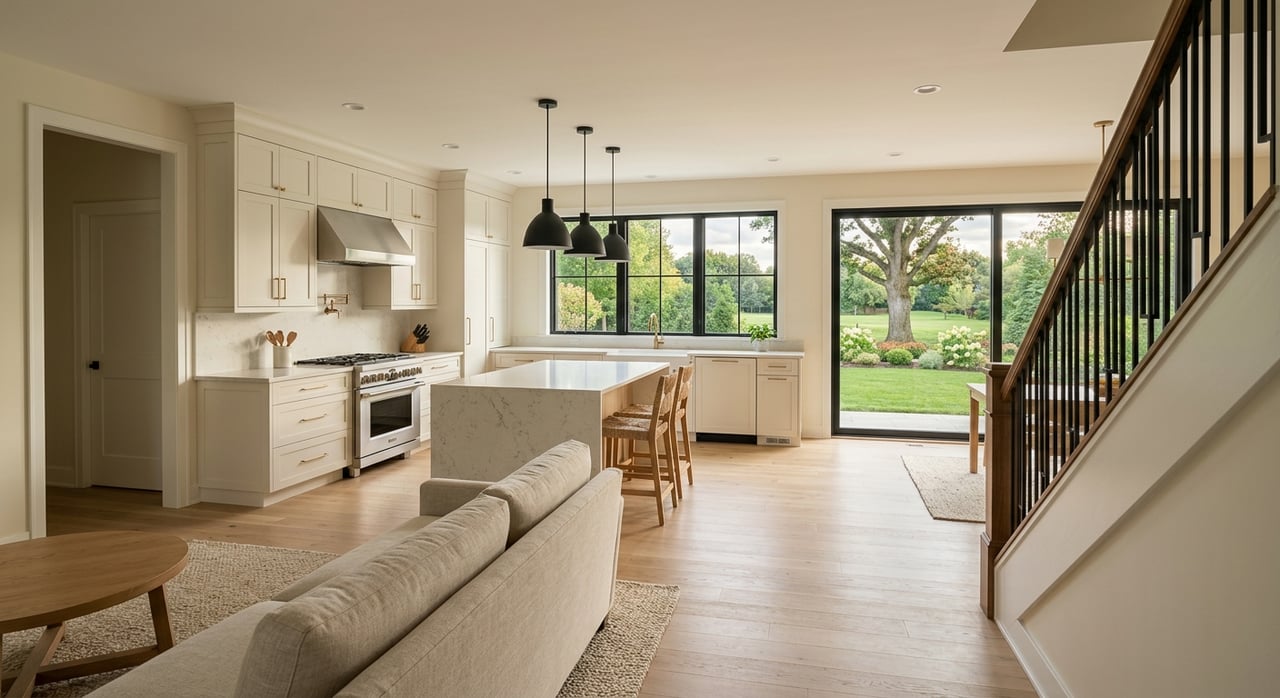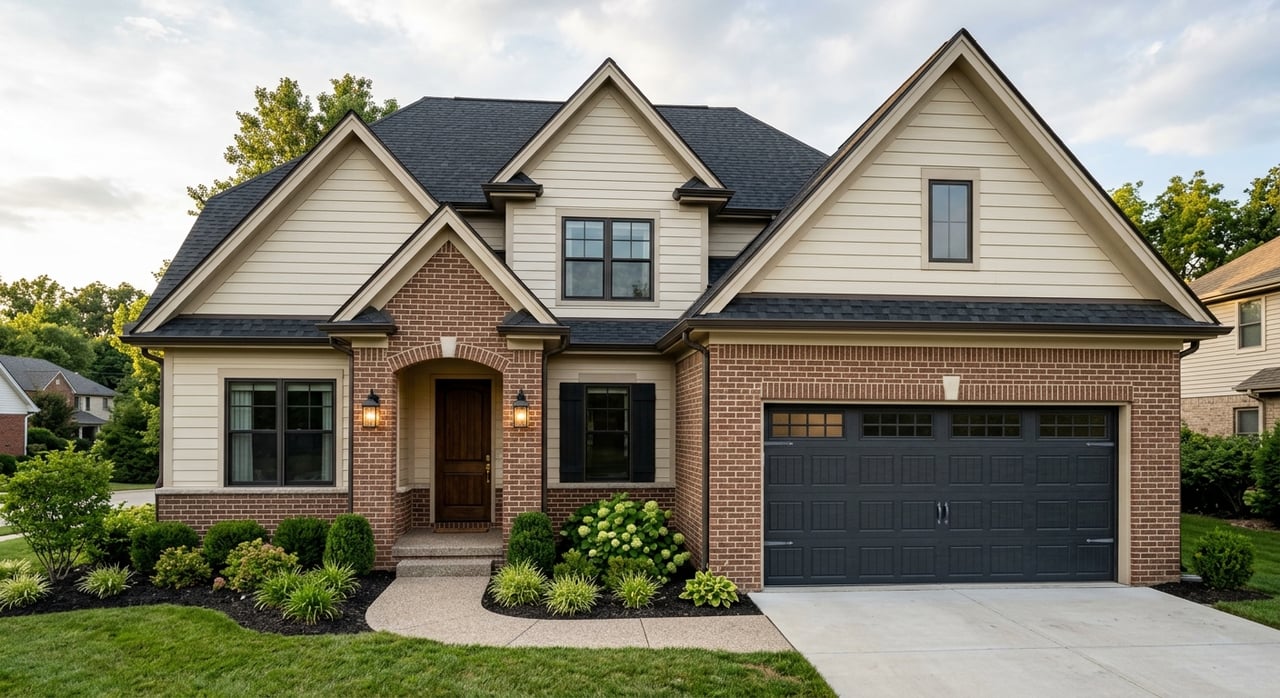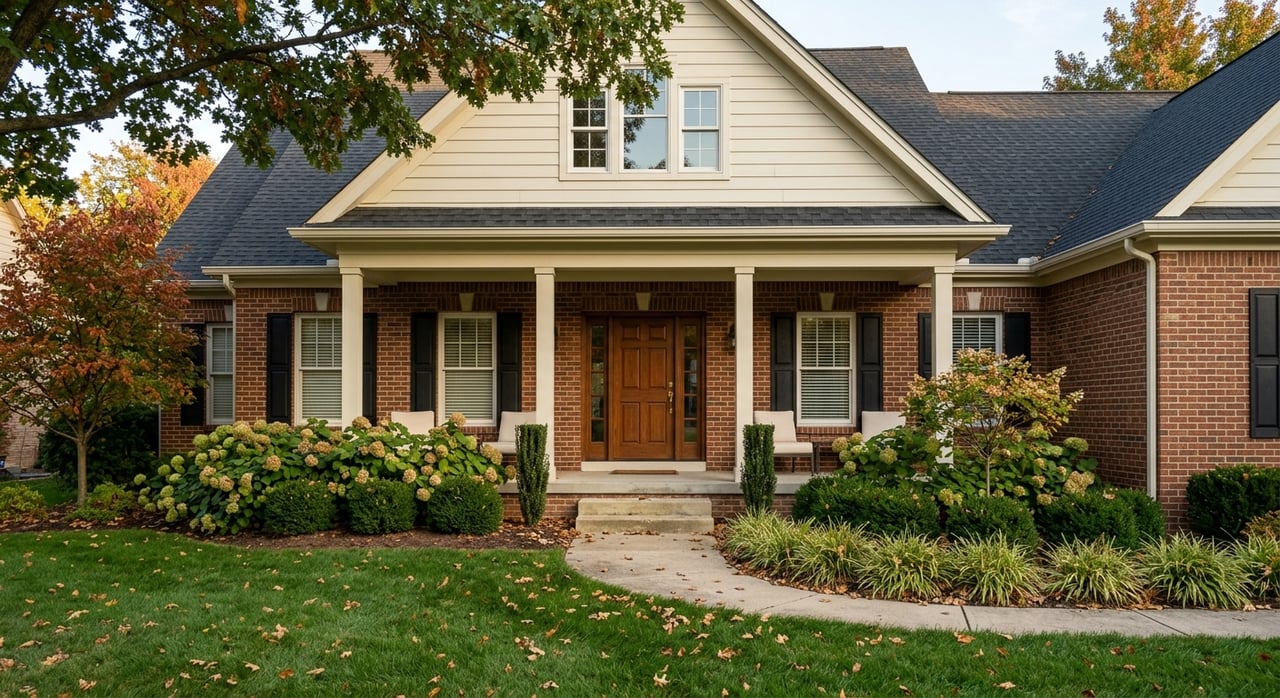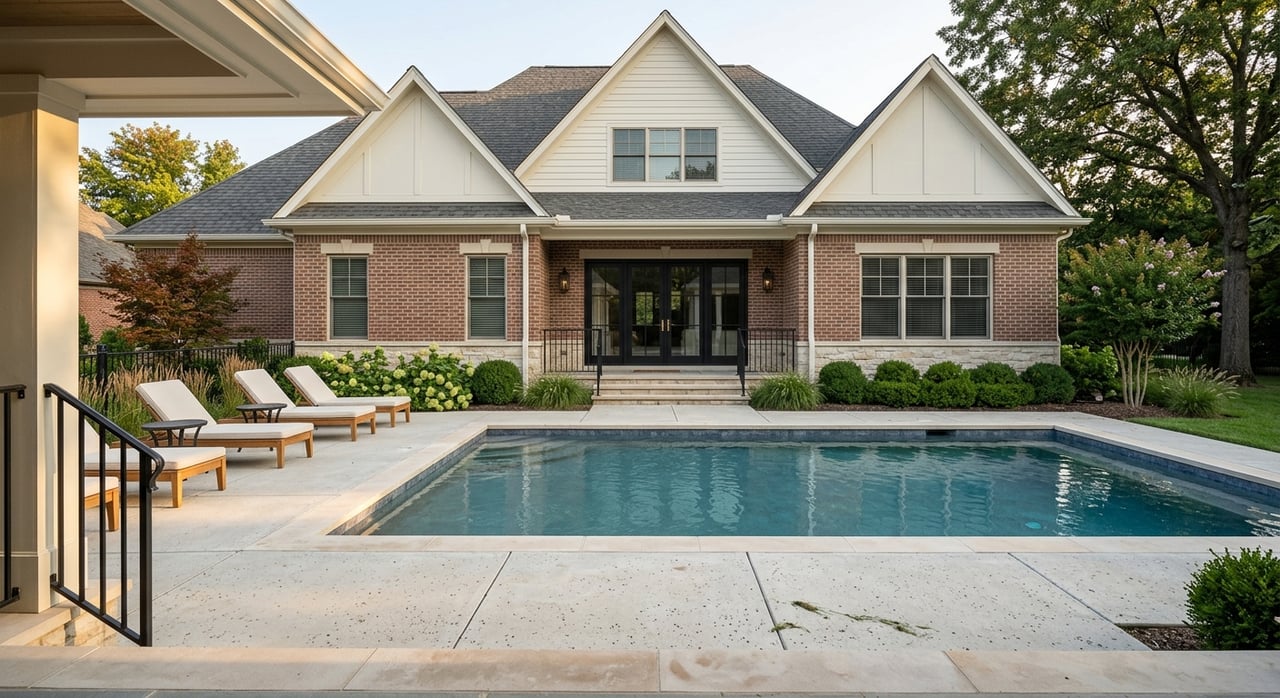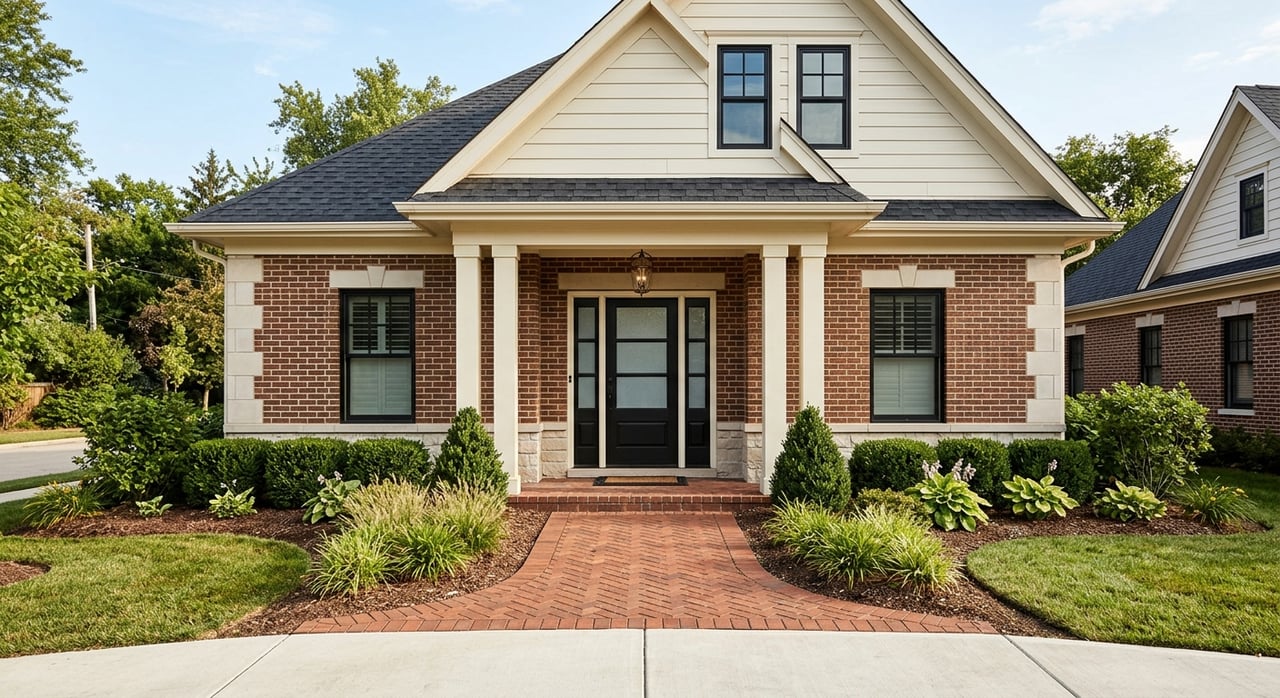
Are you drawn to the idea of less mowing, fewer exterior repairs, and a home you can leave for a weekend without a long to-do list? If that sounds appealing, low-maintenance living in Springfield may be worth a closer look. The key is knowing what you are really buying, what the monthly costs cover, and what tradeoffs come with the convenience. Let’s dive in.
Why low-maintenance living matters in Springfield
Springfield is paying more attention to housing options beyond traditional detached homes. City planning documents note a shortage of what is often called missing middle housing, including duplexes, townhomes, and accessory dwelling units.
That matters if you want a home that offers a smaller footprint or shared upkeep. Springfield’s draft 2025 to 2029 consolidated plan says single-family detached homes make up 63% of residential units, and the Springfield Housing Study identified a deficit of 8,960 units. The same draft also says Springfield’s homeownership rate has declined to 42%, which is one of the lowest in Missouri.
The city’s updated land development code is also designed to allow more gentle-density housing choices. That includes townhome-style options through the new R-MX1 district. For buyers, that means low-maintenance living is becoming a more relevant part of the Springfield housing conversation.
What low-maintenance living usually means
Low-maintenance living is not one single legal property type. In Springfield, it usually means you own a home where some of the exterior work, lawn care, or shared-area upkeep is handled through a homeowners association or condominium association.
In everyday terms, you may also hear this called lock-and-leave living. That phrase usually means you can spend less time on hands-on property upkeep and more time enjoying your home, traveling, or simplifying your routine.
The biggest thing to understand is that the listing label does not tell the whole story. A property might be called a townhome or patio home, but what really affects your day-to-day experience is the ownership structure, the governing documents, and who handles maintenance.
Townhomes, condos, and patio homes
Townhomes in Springfield
A townhouse is generally a narrow, multistory home built as part of a row or group of similar homes. Some townhomes share walls, while others may be detached within a larger planned community.
What matters most is not just the shape of the home. Some townhome properties are governed like condos, while others function more like single-family homes with an HOA. Before you buy, you will want to confirm what you own and which parts of the property you are responsible for maintaining.
Condos and shared upkeep
A condo is an individual unit within a larger building or community of other condo owners. Owners usually share ownership of exterior areas and common spaces, and the association is generally responsible for common-element maintenance unless the declaration says otherwise.
Monthly condo fees often help cover exterior repairs, common-area upkeep, and sometimes water, sewer, trash, insurance, or reserve funding. That can make condos attractive if you want fewer maintenance tasks, but it also means you need to understand the budget and rules before you commit.
Another important detail is control. Condo owners generally cannot change the exterior appearance without association approval, and unpaid common expenses can become a lien on the unit.
Patio homes and flexible definitions
Patio home is more of a market term than a precise legal category. These homes are often smaller, may sit on zero-lot-line lots, and can look similar to townhomes on a smaller scale.
Some patio home communities include landscaping or exterior maintenance through association dues. Others may offer less coverage than buyers expect. Because the term can mean different things, it is smart to verify the actual ownership and maintenance setup instead of relying on the label alone.
Who low-maintenance living may fit best
Low-maintenance living can work well for several types of buyers in Springfield. If your goal is to simplify daily life, reduce upkeep, or right-size your space, these properties may be a strong match.
Downsizers and retirees
If you want less square footage and fewer outdoor chores, a condo or patio home may be appealing. Research on these home types often points to smaller footprints and shared maintenance as a major reason retirees and downsizers choose them.
Springfield’s planning documents also connect missing-middle housing with seniors looking to downsize. If your current home feels like more work than you want, a lower-maintenance setup may offer a practical next step.
Busy professionals
If your schedule is packed, a home with less exterior upkeep can be a real advantage. You may prefer spending your weekends out in Springfield rather than handling yard work and exterior repairs.
This is where the lock-and-leave idea becomes attractive. When an association handles some of the outside work, you may gain time and predictability in your routine.
Frequent travelers and lifestyle buyers
If you travel often or split your time between properties, lower-maintenance housing can make ownership feel more manageable. A home that requires less hands-on care may be easier to leave for a few days or a few weeks.
That can be especially appealing if you are focused on lifestyle, flexibility, or a simpler ownership experience. For many buyers, the appeal is not just the home itself but the reduced list of ongoing chores.
The tradeoffs to think through
Low-maintenance living can be a great fit, but it is not the right fit for everyone. The main tradeoff is usually convenience versus control.
You may have more rules
Missouri law allows homeowners associations to set reasonable rules in several areas, including political signs, solar panels, and chickens. In condo communities, owners generally need approval before changing the exterior appearance.
If you like the freedom to make exterior changes whenever you want, this is worth serious thought. Association living can streamline upkeep, but it may also limit what you can do without permission.
Your monthly costs may cover more than expected
Association dues can be helpful because they spread out shared costs. They may cover items like exterior maintenance, landscaping, water, sewer, trash, insurance, or reserve funding, depending on the community.
Still, not every fee covers the same services. A lower monthly payment is not always the better value if it means the association has weak reserves or limited maintenance coverage.
Special assessments can affect your budget
One of the biggest questions to ask is whether the association has had special assessments. Buyers should also review reserve funds and the overall financial health of the community.
This matters because lenders review the condition and stability of condo communities. A community with weak finances or major deferred maintenance can create financing hurdles and future costs.
Space and privacy may be different
Some patio homes, townhomes, and condos offer less privacy or less room to grow over time than a detached house. Shared walls, smaller lots, or closer building placement can all affect how the home lives day to day.
That does not make these homes a poor choice. It just means you should be clear about what kind of lifestyle and physical space feels comfortable for you.
Questions to ask before you buy
The best way to decide whether low-maintenance living is right for you is to get specific. Here are smart questions to ask before you start searching seriously.
- What exactly do I own?
- What do the dues cover?
- How large is the reserve fund?
- Have there been special assessments?
- What exterior changes require approval?
- For a condo, what do the bylaws say about my rights and obligations?
- For a condo, is the property warrantable?
These questions can help you compare homes more accurately. They also help you avoid surprises after closing.
Renovations may need two approvals
If you are thinking about updating a low-maintenance home, be careful not to assume interior work is always simple. Springfield says most building-related projects inside city limits require permits.
That means you may need city approval for certain improvements. In an HOA or condo community, you may also need association approval depending on the project, especially if it affects the exterior appearance or shared elements.
How to tell if it is right for you
A low-maintenance home in Springfield may be right for you if you value convenience, predictable upkeep, and a simpler routine more than having full control over every exterior detail. It can also make sense if you are downsizing, travel often, or want a home that feels easier to manage.
It may be less ideal if you want maximum privacy, a large yard, or total freedom to customize the property without approval. The right choice comes down to your priorities, your budget, and how you want to spend your time.
As you compare options in Springfield, it helps to look past the listing language and focus on the details that shape everyday ownership. If you want help sorting through condos, townhomes, patio homes, and other low-maintenance options, Kimberlee Tennis can help you evaluate what fits your goals and lifestyle.
FAQs
What does low-maintenance living mean in Springfield real estate?
- In Springfield, low-maintenance living usually means a home where some exterior work, lawn care, or shared upkeep is handled through a homeowners association or condominium association.
What is the difference between a condo and a townhome in Springfield?
- A condo is based on ownership structure, while a townhome describes the style of the home. Some townhomes are governed as condos, so you should verify what you own and who handles maintenance.
What should Springfield buyers ask about HOA or condo dues?
- You should ask what the dues cover, how large the reserve fund is, and whether the community has had any special assessments.
Are patio homes in Springfield always low-maintenance?
- Not always. Patio home is a flexible market term, so you need to confirm the ownership structure and the actual maintenance responsibilities.
Can you renovate a low-maintenance home in Springfield, Missouri?
- Sometimes, but you may need city permits for building-related work and association approval for changes, especially if the project affects exterior appearance or shared elements.
Who is a good fit for low-maintenance homes in Springfield?
- These homes often appeal to downsizers, retirees, busy professionals, and frequent travelers who want fewer exterior chores and a simpler ownership experience.