Trying to choose between an older part of Ozark and a newer subdivision? That decision can shape how you live day to day, from your drive time and street layout to the style of home you buy and the kind of projects you may take on later. If you are weighing character against newer construction, this guide will help you compare the tradeoffs in a practical, local way. Let’s dive in.
Why This Choice Matters in Ozark
Ozark is growing quickly. The U.S. Census Bureau estimated the city’s population at 23,544 as of July 1, 2025, which is up 10.7% from April 1, 2020. That kind of growth matters because it helps explain why you will find both older neighborhood patterns near the city’s core and more subdivision-style development across newer residential areas.
Location also plays a big role in how buyers compare neighborhoods here. Ozark sits along US Highway 65 between Springfield and Branson, and the city estimates the drive is about 10 minutes to Springfield and 25 minutes to downtown Branson. For many buyers, that makes neighborhood choice less about one area being better and more about which part of town fits your routine.
Ozark is also planning for growth in a very intentional way. The city’s comprehensive plan, transportation master plan, and 2025 Onward Ozark corridor study all focus on managing development, transportation, and land use across key corridors. That means your neighborhood decision connects to a bigger story about how Ozark is evolving.
What Established Ozark Neighborhoods Offer
Established neighborhoods in Ozark are generally tied to the city’s historic core near the courthouse square and river district. In these areas, you are more likely to see an older street grid, smaller lots, and homes with details that reflect earlier building styles. For buyers who want personality and a closer connection to downtown, that can be a strong draw.
The Ozark Courthouse Square Historic District includes portions of 2nd Avenue, Church, Elm, and 2nd Streets around the square. According to the National Register district documentation, contributing buildings in that area date from roughly 1880 to 1945. That historic setting helps define the feel of the established core.
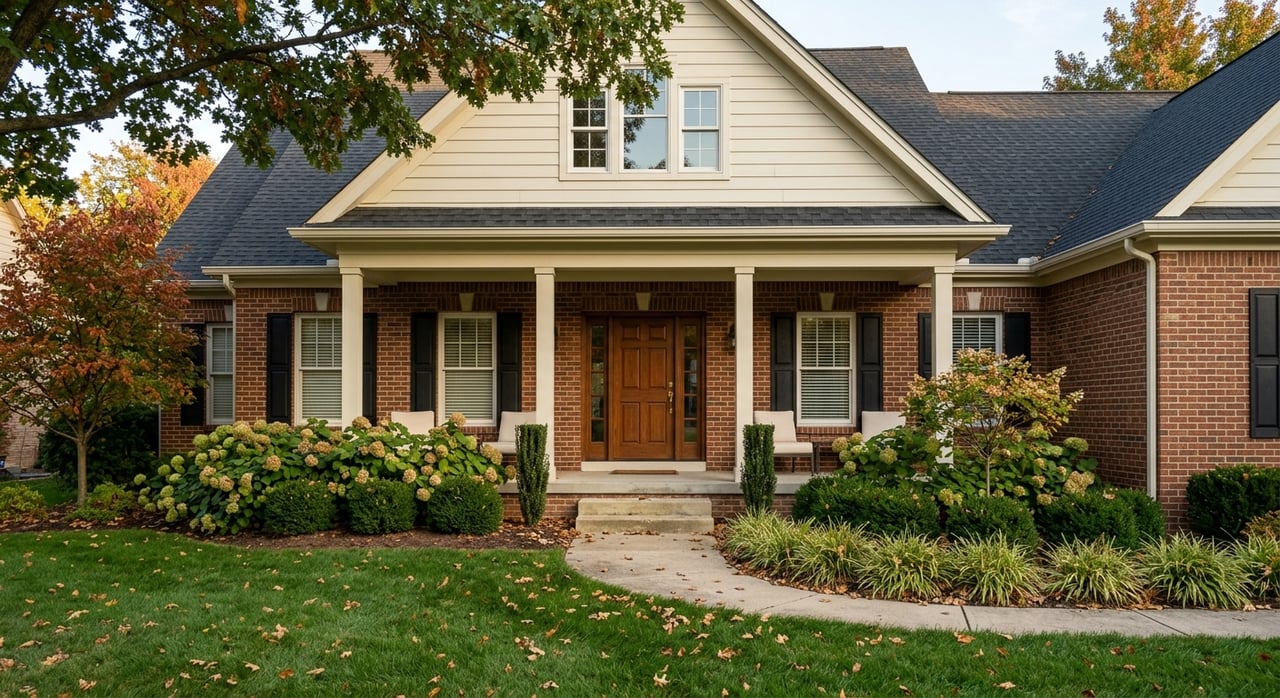
Some older Ozark homes also reflect common early-1900s forms identified in the state historic resources survey. One example described in the survey is a one-and-one-half-story house with a hipped or cross-gable roof, a wrap porch, classical columns, and a modest lot size. You may not find that exact style everywhere, but it gives you a good picture of the character many buyers associate with older parts of Ozark.
Character and Setting
If you are drawn to established neighborhoods, you may be looking for details that are harder to duplicate in newer construction. Things like porches, older rooflines, mature surroundings, and homes with more individual variation often matter as much as square footage. In Ozark, that character is most closely tied to the historic core.
The street pattern is different too. The city describes downtown local streets as low-speed, low-volume streets, and the broader historic downtown follows a grid layout. That can create a very different day-to-day feel than areas built around newer subdivision patterns.
Downtown and River District Access
One practical advantage of the established core is proximity to local destinations. The Historic River District highlights shopping, dining, festivals, a farmer’s market, trails, parks, and river access. Finley Farms adds riverfront dining and event space on the Ozark Mill property, and Finley River Park is just off Highway 14.
If you want to spend more time near downtown activities or trail connections, that location can be appealing. The city also notes that the Ozark Community Center and more than ten miles of linear trails help connect residents to recreation throughout town. The Finley River Trail links The OC to the river and toward Finley Farms, Finley River Park, and Garrison Springs.
Historic District Rules to Know
In established areas, especially near the Historic Overlay District, future projects may come with extra review steps. The city’s historic preservation program says exterior alterations in the Historic Overlay District require a Historic District Permit, even when another building permit may not be required. That is an important detail if you already know you want to change siding, windows, roofing, porches, or other exterior features later.
This does not mean an older home is harder to own. It simply means you should understand the rules before you buy so your plans match the property and its location.
What Newer Ozark Neighborhoods Offer
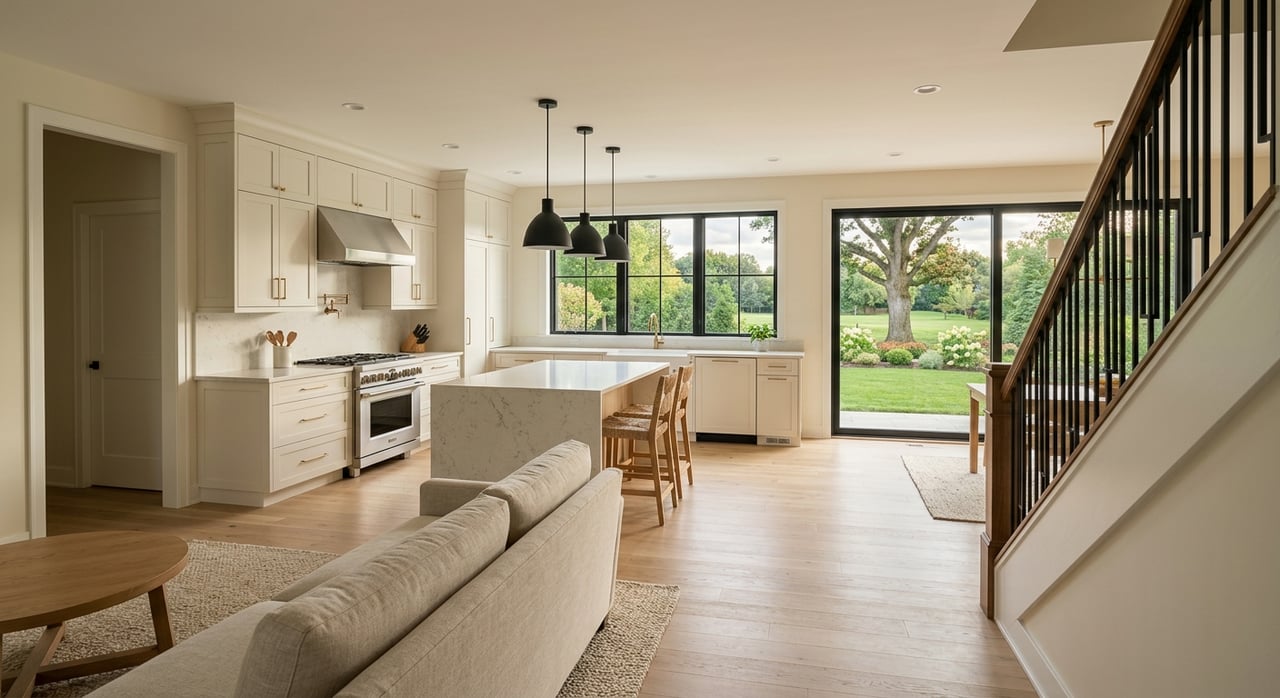
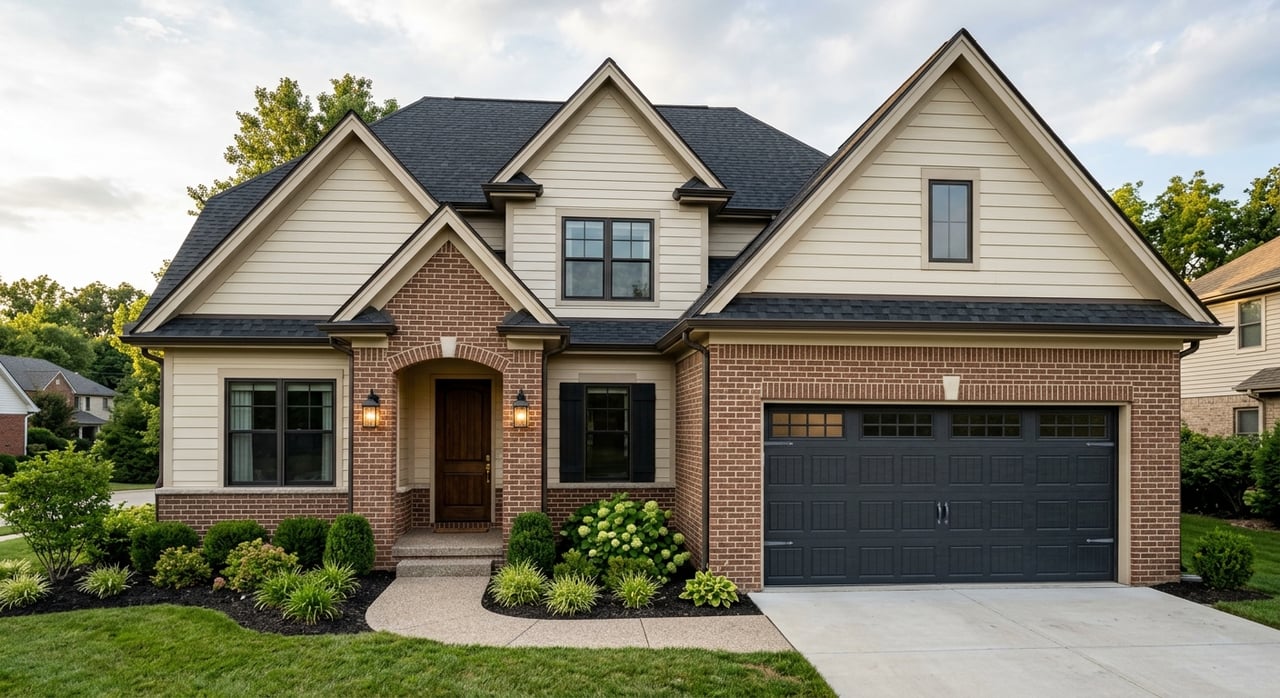
Newer neighborhoods in Ozark often appeal to buyers who want more recent construction, planned layouts, and homes that reflect current building review standards. The city’s official zoning map shows many subdivision-style neighborhoods and development areas, including South Fork, South Pointe, Cedar Village, Ozark Village, Walnut Crossing, Southern Oaks, and others. While the map does not date every neighborhood, it clearly shows how much of Ozark’s residential growth has taken place outside the older downtown grid.
For many buyers, the biggest appeal is predictability. Newer areas often feel more uniform in layout, utility systems, and neighborhood design. In Ozark, that fits with the city’s broader planning direction as it manages continued growth.
Planned Layouts and Growth Corridors
Ozark’s comprehensive plan says new residential neighborhoods should use grid, modified-grid, or hybrid street networks when possible. The city also prefers neighborhood centers and connected streets over isolated cul-de-sacs. That guidance does not describe every subdivision one by one, but it does show the kind of neighborhood pattern Ozark is encouraging as it grows.
Current growth conversations are focused in places like North State Highway NN, South 3rd Street and Highway 14, and South Street. The city’s transportation planning also notes that recent developments and planned improvements are being analyzed along the South Street and Central corridors. If easy access to growth areas matters to you, newer neighborhoods may line up more closely with that goal.
Current Construction Standards
Another difference is how newer homes are reviewed during construction. Ozark’s Building Department reviews and inspects all new private construction, including code compliance and third-party reviews related to architecture, engineering, stormwater, and traffic. For buyers, that often translates to more confidence that newer homes and neighborhood systems reflect current city standards.
That does not automatically make a newer home the better fit. It simply means the practical questions are different. Instead of asking how old the systems are, you may be comparing lot layout, neighborhood design, or corridor access.
The Biggest Tradeoffs for Buyers
In Ozark, the choice between established and newer neighborhoods usually comes down to lifestyle fit. Both options can work well, but they tend to serve different priorities. The right answer depends on what matters most to you once the excitement of home shopping settles into everyday life.
Here is a simple side-by-side look at the comparison:
| Factor | Established Neighborhoods | Newer Neighborhoods |
|---|---|---|
| Home style | More historic character and variety | More recent construction and planned appearance |
| Street pattern | Older grid layout in core areas | Planned subdivision-style layouts |
| Access | Often closer to downtown, river district, and older civic areas | Often tied more closely to growth corridors |
| Project planning | May involve historic district rules for exterior changes | More likely to align with current construction reviews and standards |
| Buyer appeal | Often attracts buyers who value charm and central location | Often attracts buyers who value newer systems and layout consistency |
How to Compare Neighborhoods the Smart Way
If you are narrowing down where to buy in Ozark, a few local questions can help you compare homes more clearly. These are often more useful than focusing only on the age of the home or the list price. A neighborhood that looks perfect online may feel very different once you connect it to your routine.
Ask questions like these:
- How close do you want to be to downtown, the river district, parks, or trails?
- Do you prefer an older street grid or a subdivision-style layout?
- If you are considering an older home, how old are the major systems?
- If the home is in or near the Historic Overlay District, are there exterior project rules to consider?
- How important is quick access to Highway 65, Highway 14, South Street, or Highway NN?
- Do you want to be near neighborhood parks, larger parks, or trail connections?
Ozark’s park system gives you several options to weigh. In addition to Finley River Park and Garrison Springs Community Forest, the city includes neighborhood parks and trail assets designed to bring recreation closer to residential areas. That can be helpful when you are deciding between a downtown-adjacent property and a home in a newer subdivision setting.
For some buyers, school proximity is also part of the search. Ozark School District serves more than 6,000 students in grades PK through 12 across five school sites. If that matters for your move, it can be one of several location filters to review while comparing homes.
Which Option Fits Your Lifestyle?
If you love character, older street patterns, and easier access to downtown and river-district amenities, established Ozark neighborhoods may feel like home. If you want more recent construction, a planned neighborhood layout, and access to the city’s growth corridors, newer subdivisions may check more of your boxes. Neither option is one-size-fits-all, which is why local guidance matters.
The best move is to look beyond the listing photos and compare how each area fits your day-to-day life, future plans, and comfort with maintenance or project rules. If you want help sorting through Ozark neighborhoods and finding the right fit for your goals, Kimberlee Tennis can help you compare options with a local, practical approach.
FAQs
What is the difference between established and newer neighborhoods in Ozark?
- Established Ozark neighborhoods usually offer more historic character, older street patterns, and closer access to downtown and the river district, while newer neighborhoods usually offer more recent construction, planned layouts, and access to growth corridors.
What should buyers know about historic homes in Ozark?
- If a home is in the Historic Overlay District, exterior alterations require a Historic District Permit, even when another building permit may not be required.
What areas are considered part of Ozark’s established core?
- Ozark’s established core is centered around the courthouse square and historic river district, including parts of 2nd Avenue, Church, Elm, and 2nd Streets.
Why do newer subdivisions in Ozark appeal to buyers?
- Newer subdivisions often appeal to buyers who want more recent construction, planned neighborhood layouts, and homes built under current city review and inspection processes.
How does location affect neighborhood choice in Ozark?
- Location can affect your access to Highway 65, downtown Ozark, the Historic River District, parks, trails, and the city’s main growth corridors such as South Street, Highway 14, and Highway NN.
Are parks and trails available in different parts of Ozark?
- Yes, Ozark has a park system that includes Finley River Park, Garrison Springs Community Forest, neighborhood parks, and more than ten miles of linear trails that serve different parts of the city.