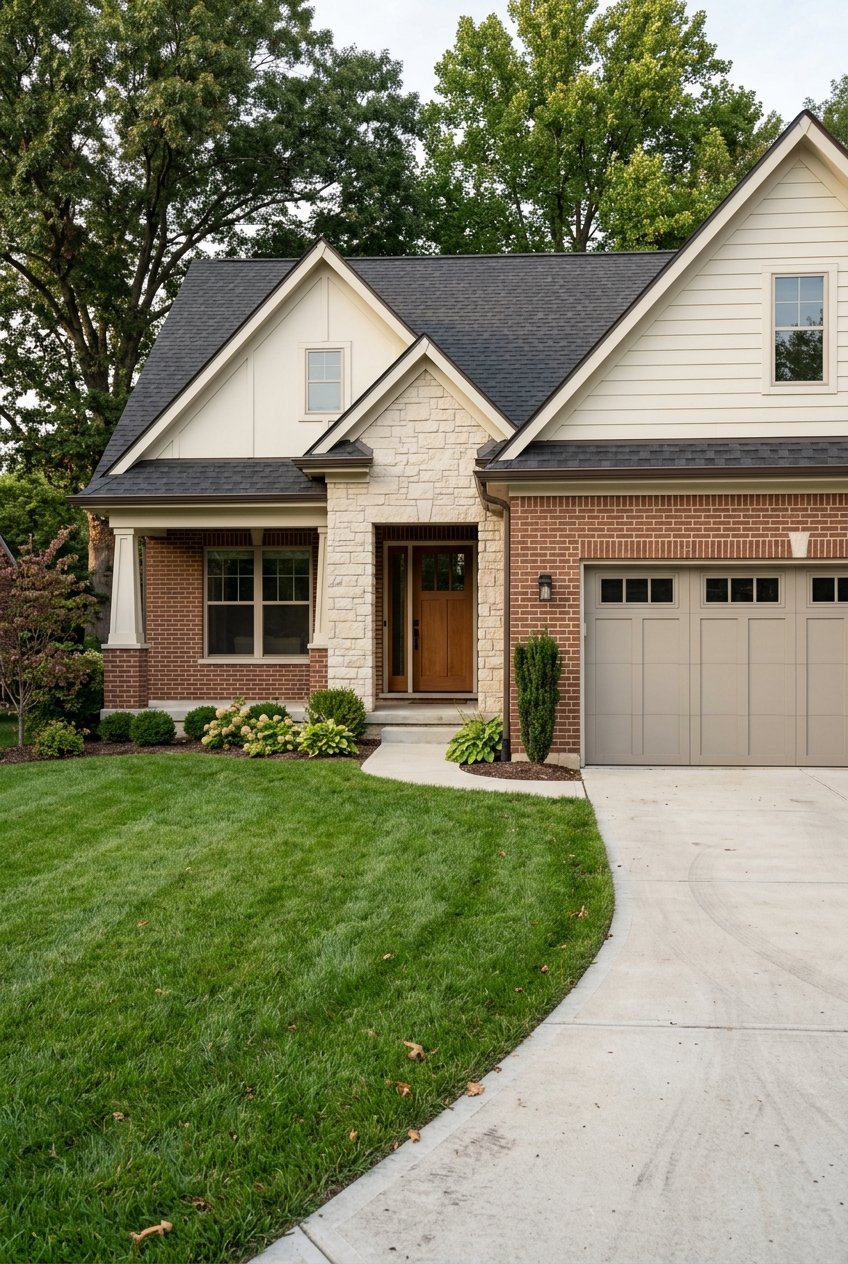
Wondering how much Springfield neighborhoods really differ when you start house hunting? The answer is: quite a bit. From older homes near the city core to newer homes in the south and southeast, your price point, commute, and daily routine can change fast depending on where you look. If you want to narrow your search with more confidence, this guide will help you compare Springfield neighborhoods in a practical way. Let’s dive in.
Springfield Neighborhood Differences Start With Lifestyle
Springfield is not a one-size-fits-all market. The city’s planning department divides Springfield into 34 neighborhood service areas, and the 2024 Neighborhood Health Indicators sheet lists a citywide median single-family home value of $196,248. That citywide number is helpful, but it does not tell the full story.
Neighborhood-level differences can be wide. For example, the official West Central profile shows a median home value of $89,698, which is far below the citywide benchmark. As you move across Springfield, you will see meaningful changes in price, home age, housing type, and how connected a neighborhood feels to shopping, dining, and outdoor spaces.
Close-In Neighborhoods Offer Lower Entry Prices
If your goal is a lower entry price, older housing stock, or a more urban setting, Springfield’s close-in neighborhoods may be the first places to compare. Areas like Downtown West, Downtown Southwest, West Central, Grant Beach, and Woodland Heights tend to offer lower price points than many southside neighborhoods.
NeighborhoodScout places median real estate prices at about $100,858 in Downtown West, $109,179 in Downtown Southwest, $107,594 in Grant Beach, and $107,298 in Woodland Heights. West Central comes in even lower on the city profile at $89,698. These numbers show how affordable some of the core neighborhoods can be relative to the broader Springfield market.
What Housing Looks Like Near The Core
Many homes and residential buildings in these neighborhoods were built before 1940 or between 1940 and 1969. That often means older architectural styles, smaller floor plans, and more variation from block to block. In Downtown West and Downtown Southwest, apartments and smaller homes are common, while other nearby areas include a mix of older single-family properties.
If you like the idea of an established part of town with a wide range of housing types, these neighborhoods may stand out. If you want newer construction or larger lots, you may find the core less aligned with your needs.
What Daily Life Feels Like
Lifestyle is a major difference-maker in central Springfield. Downtown offers restaurants, nightlife, boutiques, galleries, theaters, and events like First Friday Art Walk. Commercial Street adds its own historic retail setting, seasonal market, and local shops.
The Jefferson Avenue Footbridge connects the Commercial Street Historic District to Woodland Heights, which helps reinforce how tied these neighborhoods are to center-city amenities. If you want to be near activity, local events, and older commercial districts, these neighborhoods offer that kind of access.
Rountree Stands Out For Character
Rountree often appeals to buyers who want historic character and a stronger neighborhood identity. It is a close-in neighborhood near downtown and Missouri State University, and it is known for bungalows, tree-lined sidewalks, and a well-defined local feel.
NeighborhoodScout places Walnut / Rountree at a median real estate price of $303,912. That is a noticeable jump from many other central neighborhoods, which shows how much buyers may pay for location, housing character, and neighborhood atmosphere.
Why Buyers Look Closely At Rountree
Rountree is not just about the homes. Pickwick and Cherry serve as a local social center, with coffee shops, tea rooms, breweries, and independent retail nearby. For many buyers, that mix of housing character and neighborhood activity is a big part of the draw.
The city’s Rountree Urban Conservation District also notes that the single-family subareas are characterized by diverse single-family housing stock and are intended to remain single-family residential. If you are considering this area, it is smart to weigh both the neighborhood charm and the design standards that may shape future changes.
South Springfield Brings More Space
As you move south and southeast in Springfield, the housing pattern often shifts. In general, you will see more owner-occupied areas, more detached single-family homes, and a more suburban feel. For many buyers, this part of Springfield offers a different pace and a different home search experience.
Meador Park, Southern Hills, and Sequiota each show how that transition works. These neighborhoods are not identical, but they often appeal to buyers who want more space than they might find closer to downtown.
Meador Park And Southern Hills
Meador Park sits closer to the middle of Springfield’s pricing bands. NeighborhoodScout shows a median real estate price of $241,469, with mostly medium-sized single-family homes and apartment buildings built between 1940 and 1969. The neighborhood also includes park amenities like a playground, tennis courts, and open space.
Southern Hills is pricier at $327,291 and tends to feel more suburban. Housing there includes mostly medium to larger single-family homes and apartments from 1970 to 1999. If you want a more traditional suburban setup, Southern Hills may feel very different from the city core.
Sequiota And Outdoor Access
Sequiota stands out more for lifestyle than for one simple price label. It offers direct access to Sequiota Park and the Galloway Creek Greenway trailhead, and NeighborhoodScout notes a high share of under-15-minute commutes. That combination can be appealing if you want quick access to outdoor recreation as part of your everyday routine.
For some buyers, that nearby trail and park access matters just as much as square footage. It is a good example of how Springfield neighborhood differences are often about how you want to live, not just what you want to spend.
Galloway Has A Distinct Village Feel
Galloway is one of Springfield’s clearest lifestyle neighborhoods. The city-approved redevelopment vision calls for a quaint village atmosphere, pedestrian friendliness, human-scale design, small retail and service businesses, and protection of Galloway Creek, Sequiota Park, and the tree canopy.
That planning vision gives Galloway a distinct identity. Local attractions in the area include breweries, coffee shops, Galloway Mercantile, the Springfield Conservation Nature Center, and the Galloway Creek Greenway. If you want a neighborhood where outdoor access and local business activity are central to the experience, Galloway deserves a close look.
What Buyers Should Note In Galloway
The city has said the Galloway Street widening project will improve connectivity to Sequiota Park, the Galloway Creek Greenway, and nearby businesses. That means buyers may see an area with active planning and continued reinvestment.
When you compare Galloway to some older central neighborhoods, the difference is not just housing. It is also the way the neighborhood is being shaped around walkability, green space, and village-scale development.
South And Southeast Bring Newer Homes
If you are searching for newer construction, larger homes, or a more suburban routine, Springfield’s south and southeast neighborhoods often rise to the top. These areas illustrate how much the market changes as you move farther from the center city.
Brookline Southeast, Lake Springfield, and S Campbell / W Plainview are strong examples. They sit at the higher end of the market and tend to feature larger detached homes and a more car-oriented daily rhythm.
Higher-End Neighborhood Examples
NeighborhoodScout places Brookline Southeast at a median real estate price of $510,884. The housing stock there is overwhelmingly detached single-family homes, and most were built in 2000 or later.
Lake Springfield is close behind at $493,176, with larger homes and access to lake-oriented recreation. The park system around the lake includes shoreline trails, boat rentals, and fishing, which can be a major draw if recreation is part of your home search.
S Campbell Ave / W Plainview Rd is another premium area at $406,102, with newer and more spacious homes. In these neighborhoods, the tradeoff is usually less urban walkability and a stronger reliance on driving for daily errands and routines.
Shopping And Commute Patterns Matter
One of the biggest differences between Springfield neighborhoods is how you spend your time outside the house. Downtown concentrates restaurants, bars, galleries, theaters, boutique shopping, and regular events. Commercial Street offers a different historic retail atmosphere with its own local identity.
South Springfield brings another mix. The Republic Road corridor, Farmers Park, the Farmers Market of the Ozarks, Bass Pro Shops, and entertainment stops like Alamo Drafthouse all shape the southside experience. In Galloway and Sequiota, outdoor amenities like trails, parks, and nearby nature access play a larger role.
How Commutes Change By Area
Transportation patterns also help separate one neighborhood from another. Downtown West and Downtown Southwest have larger walk-to-work shares than most neighborhoods, while Sequiota and Mid-Town / Drury University show shorter-than-average commute times.
Farther south and southeast, neighborhoods remain more car-oriented. Drive-alone rates are in the high 60s to high 70s, and typical commutes are often 15 to 30 minutes. If you want to walk more often or stay close to central Springfield, the core may fit better. If you are comfortable driving for more space and newer homes, the south side may be a better match.
How To Narrow Your Search
A practical way to shortlist Springfield neighborhoods is to start with your top priorities. If lower entry prices and older housing are your focus, compare Downtown West, Downtown Southwest, West Central, Grant Beach, and Woodland Heights first.
If you want historic character and a strong neighborhood identity, Rountree often rises to the top. If you want more space, newer homes, and a more suburban routine, Meador Park, Southern Hills, Sequiota, Brookline Southeast, Lake Springfield, and S Campbell / W Plainview are common places to look.
Ask These Questions Early
Before you tour homes, ask yourself:
- Do you want an older home or newer construction?
- How important is walkability to your daily life?
- Do you want quick access to downtown, shopping corridors, or outdoor recreation?
- Would you prefer a smaller lot near central Springfield or more space in the south or southeast?
- Are neighborhood design standards or future development plans important to you?
Older districts like Rountree have design-conserving rules, while Galloway’s guiding documents emphasize pedestrian-friendly, village-scale development. Those details may affect how a neighborhood changes over time, so they are worth discussing during your search.
If you want help comparing Springfield neighborhoods in a way that fits your budget and lifestyle, working with a local expert can save time and reduce guesswork. When you are ready to talk through your options, connect with Kimberlee Tennis for a personalized, local-first approach to your Springfield home search.
FAQs
How do Springfield neighborhoods differ for first-time homebuyers?
- Springfield neighborhoods differ mainly in price, home age, housing type, and lifestyle. Close-in neighborhoods like Downtown West, Downtown Southwest, West Central, Grant Beach, and Woodland Heights tend to offer lower price points and older housing, while south and southeast areas often offer newer homes and more space.
Which Springfield neighborhoods have lower home prices?
- Based on the research provided, Downtown West, Downtown Southwest, Grant Beach, Woodland Heights, and West Central are among the lower-priced areas discussed. West Central’s official neighborhood profile lists a median home value of $89,698.
Which Springfield neighborhood is known for historic character?
- Rountree is one of Springfield’s best-known neighborhoods for historic character, bungalows, tree-lined sidewalks, and a strong neighborhood identity. It also has a more premium price point than many other close-in areas.
Which Springfield neighborhoods offer newer homes?
- Brookline Southeast, Lake Springfield, and S Campbell / W Plainview are the clearest examples in this guide of neighborhoods with newer and larger homes. Brookline Southeast, in particular, is described as having housing stock built mostly in 2000 or later.
Which Springfield neighborhoods are best for outdoor access?
- Sequiota, Galloway, and Lake Springfield stand out for recreation access. These areas connect buyers to places like Sequiota Park, the Galloway Creek Greenway, shoreline trails, boating, paddling, and fishing.
How should homebuyers compare Springfield neighborhoods?
- Start by comparing your budget, preferred home style, commute preferences, and favorite daily activities. In Springfield, the right neighborhood often comes down to whether you prefer close-in access and older homes or more space, newer construction, and a suburban routine.