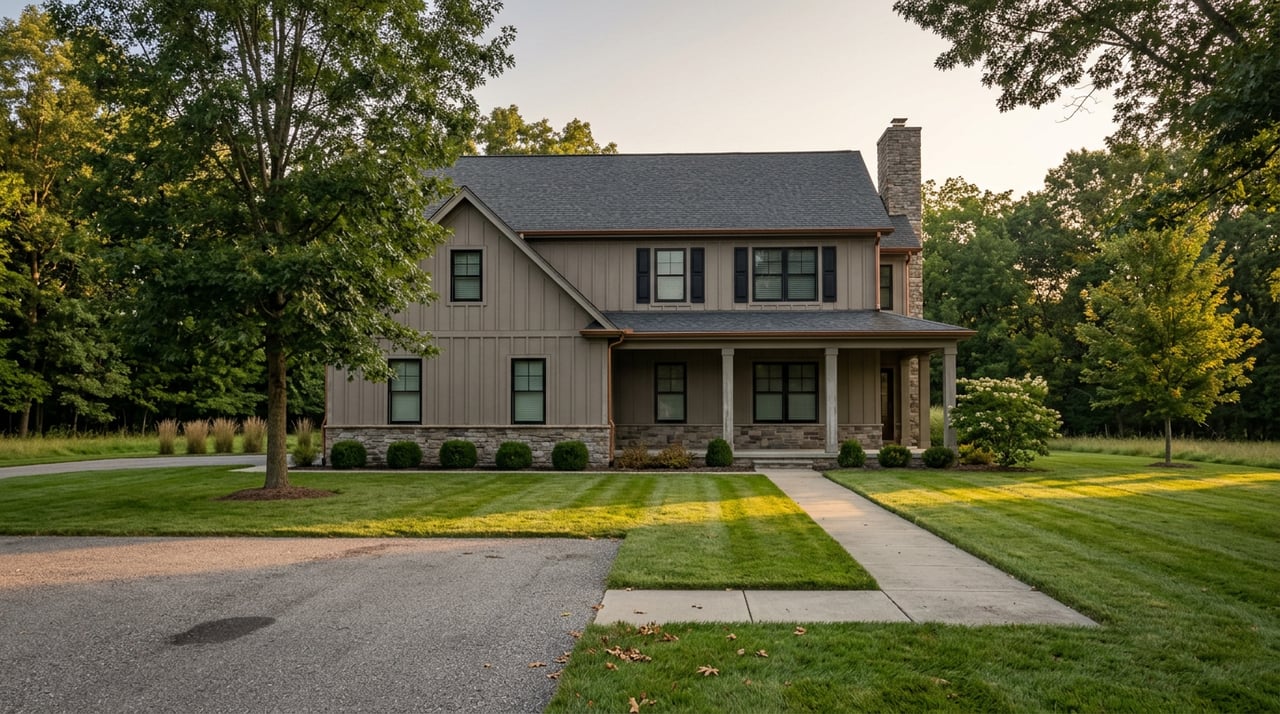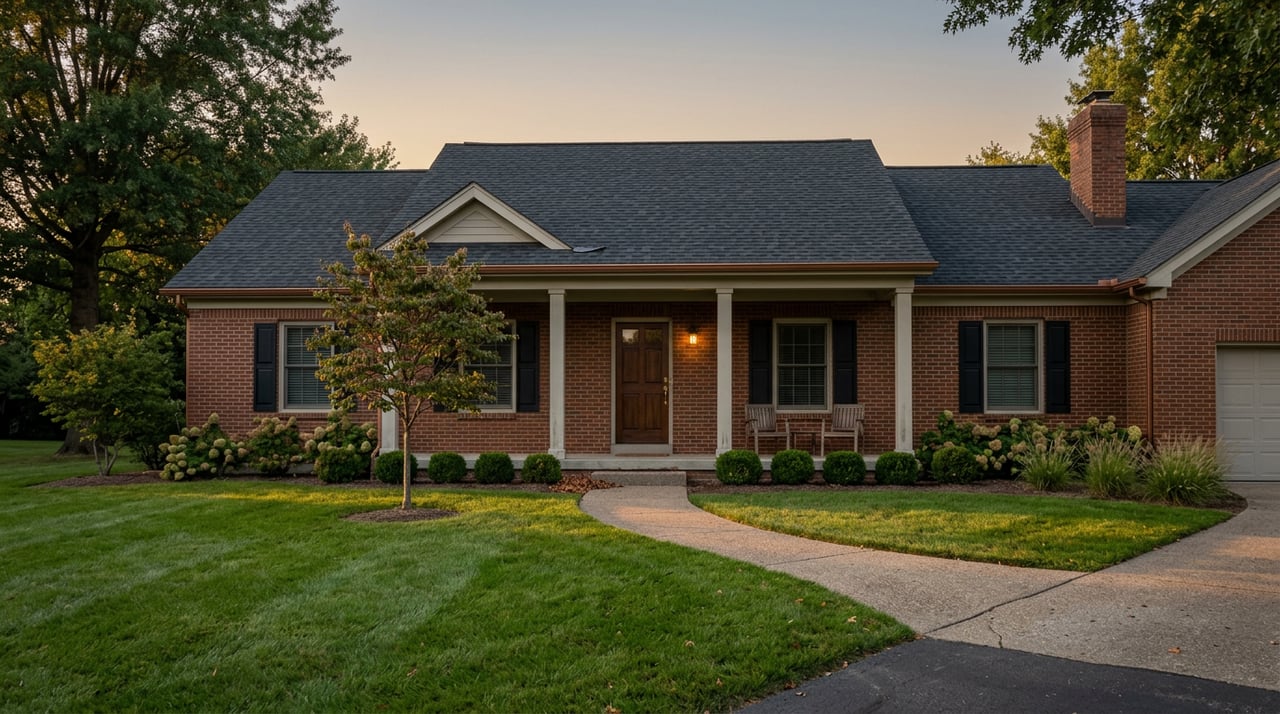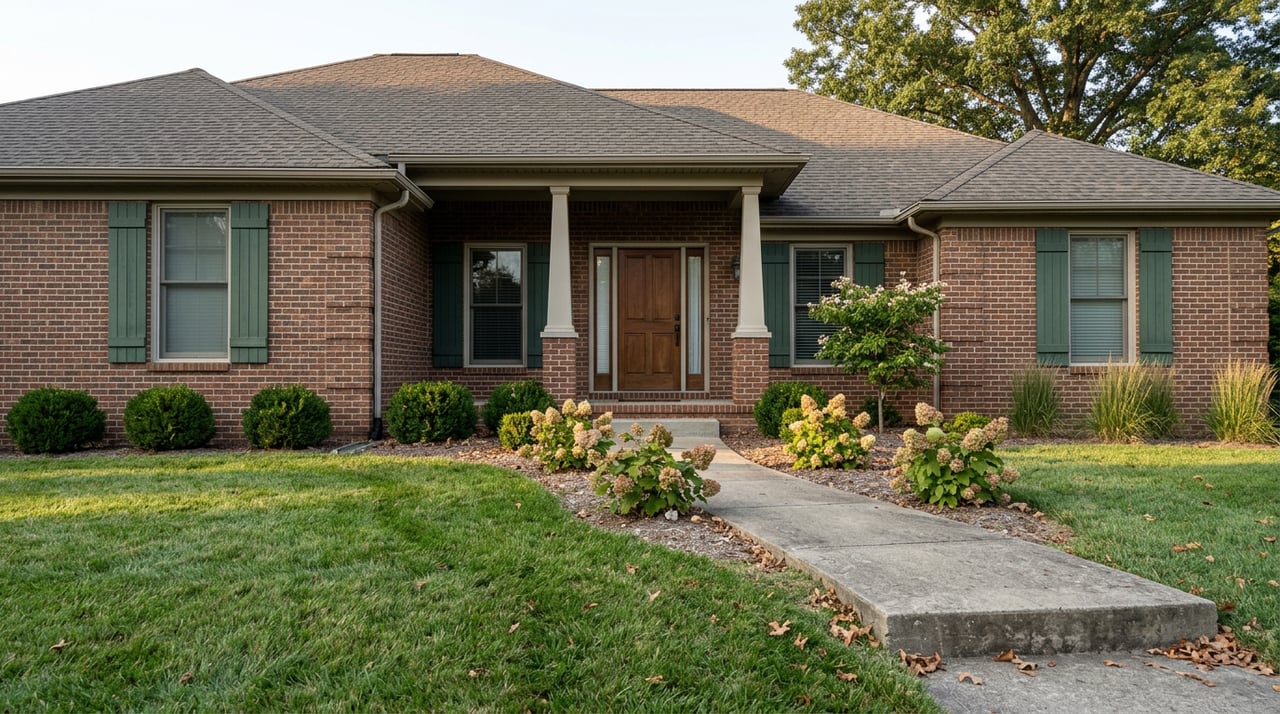
A buyer walks through a 1920s foursquare in Midtown. The inspector spends three hours on it: furnace, panel, roof decking, crawl space, every faucet and outlet. The report comes back clean. Everyone signs. Eight months later, the toilets back up on the Wednesday before Thanksgiving, and the plumber who shows up with a camera finds the answer thirty feet out into the front yard, in a pipe nobody looked at during the sale.
That pipe is the sewer lateral, the line that runs from the house to the street and ties into the city's main. It is the one piece of a home's plumbing that a standard inspection almost never touches, and it is also the one piece the City of Springfield has said outright, in writing, is the homeowner's problem the moment the sale closes.
What a Standard Inspection Actually Covers
Home inspectors are trained to look at what they can see and reach. That is the whole model, and it is why national inspector guidance describes the process as visual and limited by design, not a diagnostic dig through everything a house might be hiding underground. A lateral running six feet under sod, driveway, or sidewalk sits outside that scope in almost every contract, in almost every state. It is not a gap in your particular inspector's effort. It is the shape of the job itself.
That gap matters more in some parts of Springfield than others, and it has nothing to do with whether the kitchen was remodeled last year.
Who Actually Owns That Pipe
Springfield's own Environmental Services Department publishes a page on sewer laterals that says, without hedging, that when a lateral breaks or blocks, the property owner is responsible and required to manage the repair. The same page recommends that every homebuyer schedule a lateral inspection before closing, which is an unusual thing for a city department to put in writing unless it has watched enough buyers get surprised to want to head it off.
The city goes a step further. It runs a Sanitary Sewer Lateral Loan program specifically for owners who need lateral repairs but for whom the cost would not otherwise be financially feasible. A city does not build a loan program around a minor inconvenience. It builds one because the underlying repair bill is large enough, and common enough, to justify the paperwork.
The Cost Math That Makes the Scope Worth It
Here is what that repair bill actually looks like once you're on the hook for it. A standalone camera inspection of a lateral from a Springfield plumbing company runs roughly $250 to $400, in the same range the city itself estimates at around $200. A full lateral replacement for a typical residential job in Springfield runs $3,000 to $10,000, depending on length and access. Trenchless lining, where a resin liner is cured inside the existing pipe rather than digging a trench across the yard, runs $80 to $250 per linear foot and is often cheaper overall once you account for the landscaping, driveway, or sidewalk you'd otherwise have to tear up and replace.
Put those numbers side by side and the decision isn't complicated. A few hundred dollars during a ten-day due diligence window buys you certainty about a line that, if it fails after closing, costs somewhere between one and three months of a typical mortgage payment to fix, with no city assistance beyond that loan program.
Why Neighborhood Age Matters More Than House Age
Springfield's sanitary sewer system has documented beginnings in 1894, when the first lines were built west of Grant between College and Walnut Street. Those original pipes were brick and clay, joined with lime and cement mortar. Materials moved on from there, first to cast iron, later to concrete, eventually to PVC. But the lateral running from a specific house to the street was typically installed once, at the time the house went in, and it usually stays exactly what it was unless something forces a repair.
That's why a fully renovated interior tells you almost nothing about what's under the yard. A Rountree bungalow built in the 1910s or 1920s can have a brand new kitchen and still be running on the same clay pipe joints it started with, because nobody remodels what they can't see. The same logic applies across Springfield's older, close-in neighborhoods: Midtown, the city's most historic and nationally recognized district, Phelps Grove, and the cluster of Delaware, Doling, Robberson, University Heights, and Weller that the city itself groups together for neighborhood investment. Homes in these areas were largely built before mid-century, when clay and cast iron were the standard, not the exception. Newer construction further out toward Battlefield, Republic, or Willard is almost certainly running PVC, which holds up better and resists root intrusion at the joints in a way clay simply doesn't.
None of this means an older neighborhood has a bad lateral. It means the odds shift, and the only way to know which side of those odds your specific address falls on is the scope, not the year the roof was replaced.
The 2026 Clue Sitting in a City Bid Notice
If clay pipe sounds like a historical footnote, it isn't. In June 2026, the City of Springfield opened bids for its Group 8 Public Sewer Rehabilitation Project, which calls for relining roughly 99,018 linear feet of sanitary sewer main, primarily 8-inch vitrified clay pipe, using cured-in-place lining under NASSCO industry standards. That is public main line, not private laterals, but it tells you something a national guide can't: the city is still actively rehabilitating clay-era infrastructure in its own system right now, in the same neighborhoods where private laterals from the same era were tied in decades ago. The material that built Springfield's oldest sewers hasn't finished aging out. It's mid-project.
What This Means Before You Write an Offer
If you're looking at a home in Rountree, Midtown, Phelps Grove, or any of Springfield's other pre-1960s neighborhoods, ask the seller directly whether the lateral has ever been scoped or replaced. Most sellers won't know, and that's fine. It just means the answer needs to come from your own inspection period rather than an assumption.
Build a standalone lateral camera scope into your due diligence, separate from the general home inspection, the same way you'd add a radon test or a well inspection where those apply. If the scope turns up root intrusion, an offset joint, or a section that's bellied, that's a legitimate item to negotiate, whether as a price credit, a seller-funded repair, or a trenchless lining job completed before closing. And if you end up owning an aging lateral that needs work down the road, know that the city's loan program exists precisely for that situation, so a big repair bill doesn't have to be an emergency cash problem on top of everything else.
One more thing worth separating in your head: the Springfield Water and Sewer Commission requires a closing form to settle usage and billing before any sale finalizes. That paperwork confirms the account is current. It says nothing about the physical condition of the pipe in the ground, and it's easy to mistake one for the other.
A Few Questions Worth Asking
Does a home in a historic Springfield district automatically have a bad sewer lateral? No. Age raises the odds that the original clay or cast iron line is still in place, but plenty of laterals in these neighborhoods have already been replaced or lined by a previous owner. A scope tells you where a given address actually stands. The year the house was built only tells you the odds.
Who pays if the problem turns out to be in the city's main line instead of my lateral? Per the city's own guidance, if a licensed plumber determines the issue involves a broken or defective city-owned connection or main, the city arranges that portion of the repair. Everything beyond that connection point, on the private side, remains the property owner's responsibility.
Is it reasonable to ask a seller for a lateral scope in these neighborhoods? Yes. In areas where clay and cast iron laterals are common, a request for a camera scope during your inspection period is ordinary due diligence, not an unusual demand, and it protects both sides from a dispute that surfaces after closing instead of before.
Buying in one of Springfield's older neighborhoods means buying a piece of infrastructure history along with the house, and that history is worth thirty minutes of a plumber's camera before you're the one it belongs to. If you're weighing a home in Rountree, Midtown, or any of Springfield's close-in neighborhoods and want a second set of eyes on what your inspection contingency should actually cover, James River Realty works these streets regularly and can walk you through what to ask for before you're under contract.